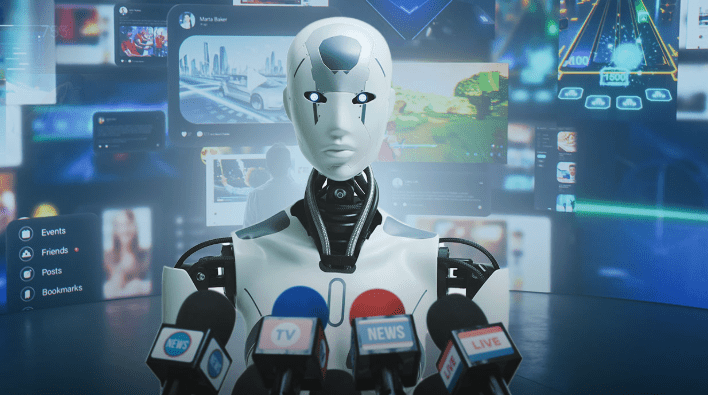
Media and AI Image Via: OPENPR.com
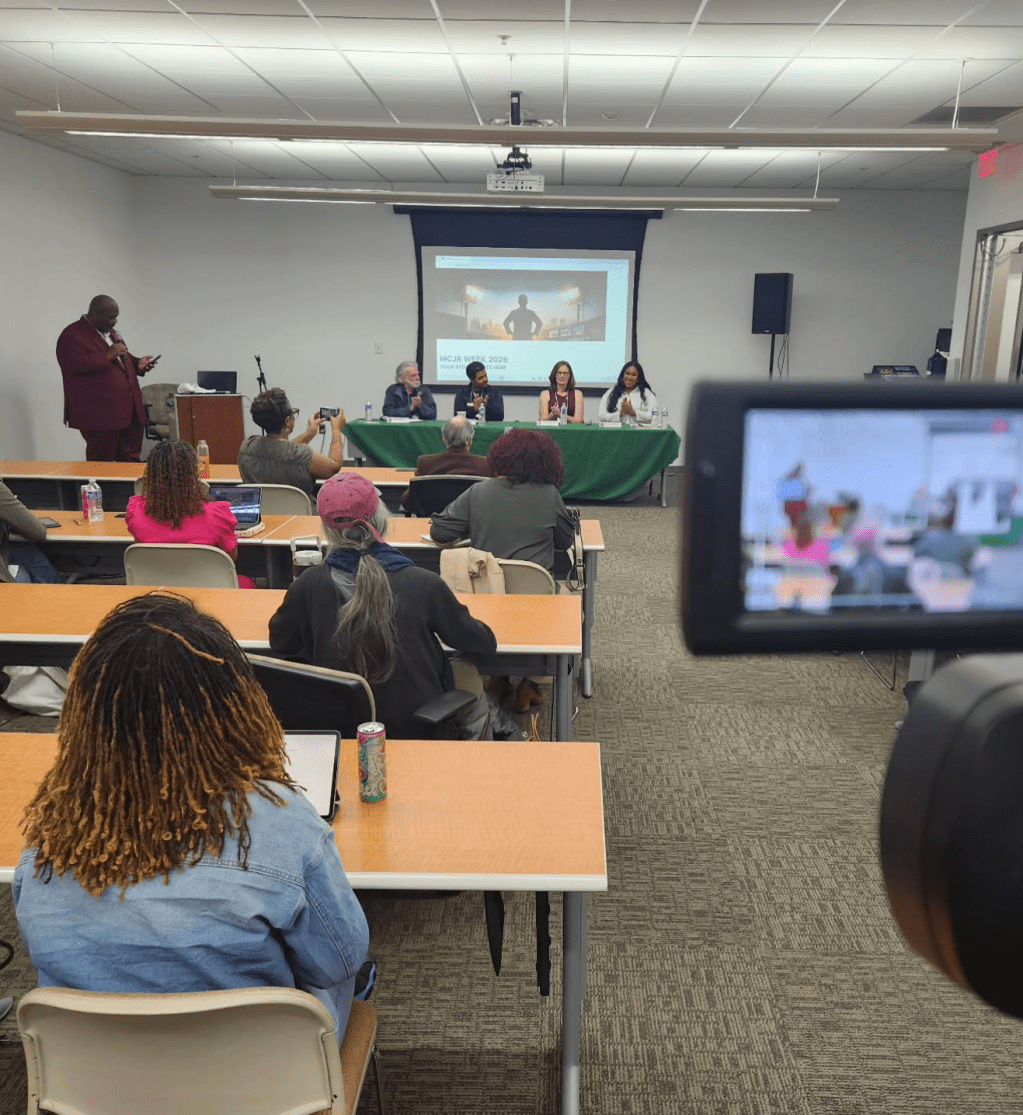
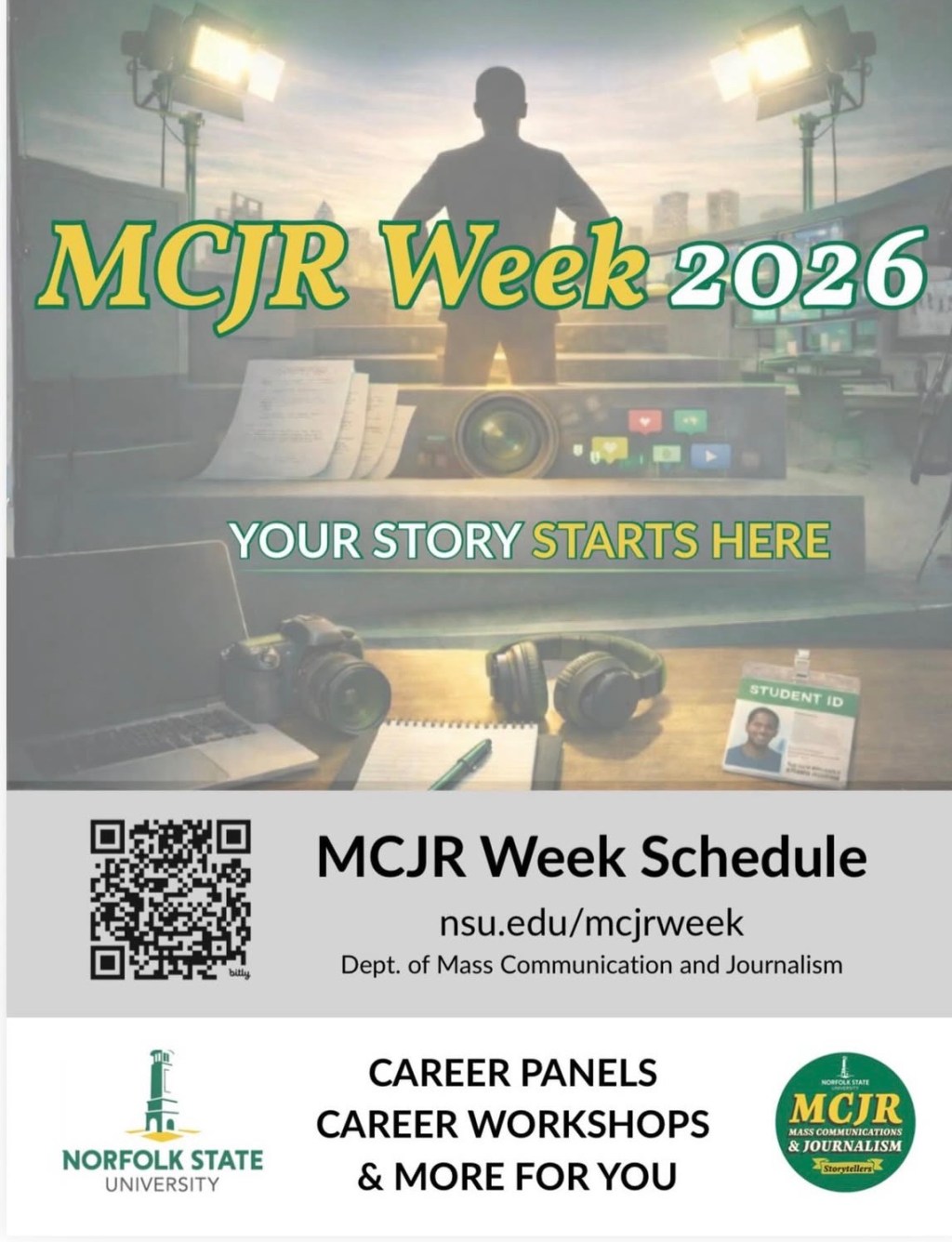
During Norfolk State University MCJR week, the Department hosted a panel discussing AI in the Media field. The panel brought insights on the importance of AI’s ethical use and honing irreplaceable human skills.
In addition, the panel featured Jon Sham, the Director of Digital Media at WTKR; Niccole Livas, Director of Communications of V.Beach Public Schools; Rebekah “Beck G” Gaines, Founder of Becks Management and Public Relations Firm; Lauren Roberts Carter, Vice President of Marketing and Communications at Hampton Roads Commerce; and Dr. Terry Marsh, Assistant Professor at NSU.
The conversation stressed the need for critical thinking, emotional intelligence, and effective communication. In addition, they addressed verifying AI-generated content, the responsibility of users in ensuring accuracy, and the potential for AI to replace lower-level jobs. As the panel started, panelists talked about how their different jobs utilize AI.
Niccole Livas shared her experience as an Administrative Communications, “On the administrative staff side, we use AI to brainstorm ideas, projects, storyboards, and messaging. I think everyone has been using AI, and they don’t realize or consider it to be a spell check and grammar check tool.”
The panel continued as the focus of AI shifted to discussing the growing interest in AI degrees and the role of AI in the creator economy. With that being said, how you utilize it ethically and responsibly is key. They highlighted the need for transparency and clear communication about AI’s role in creating content. Furthermore, they emphasized the need for students to understand ethical implications. In addition, the need for students to develop fundamental skills in AI as well.
Jon Sham highlighted WTKR Newsroom’s ethical uses of AI.
“We have a bias checker, since being in media, we are often accused of being too far left or too far right leaning. We can insert our scripts and stories from our webpage into this custom-made tool, and it would tell us if this feels in some way politically biased. Or in another example, if we have a 100-page court document, we can use the tool again to analyze the document and outline the important information instead of reading all 100 pages.”
Additionally, panelists discussed the potential for AI to replace certain jobs, particularly entry-level positions. They also talked about the importance of adapting to new technologies and becoming irreplaceable.
Moreover, the need for media laws to address the ethical and legal implications of AI and media was stressed. The importance of teaching emotional intelligence and empathy in the newsroom was highly emphasized throughout the panel. The need for human connection is important in journalism and communication.
Beck G shared,
“I do not want to become a firm where my people are replaceable, where I am replaceable by AI. We should be using it as a supplement, not leaning heavily on it for its jobs. My greatest focus with implementing AI is remaining ethical.”
The panel concluded with a Q&A session on AI’s future and strategic implications and uses. Audience members talk about how to list AI skills on resumes and the importance of explaining AI experience and success.

 Spartan Echo