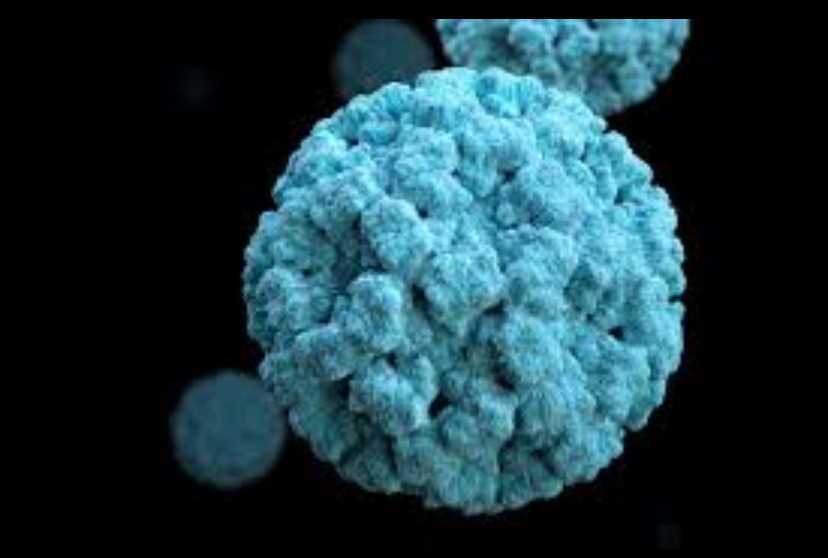
Image Source: WashU Medicine – Washington University
As of January 21st, 2025, the Virginia Department of Health reported that there were 15 “norovirus-like outbreaks” during the third week of January. While other infectious viruses’ like COVID-19, influenza also known as “the flu”, and walking pneumonia are also on the rise, citizens should also be aware of this new virus that is taking the area by storm.
In 1968, scientists first identified the norovirus after a large outbreak occurred at an elementary school in Norwalk, Ohio. However, it is important to note that the norovirus has origins dating back to the 1920s and was originally dubbed by medical experts as the “winter vomiting disease.”
According to the Center for Disease Control and Prevention (CDC), norovirus, also known as “the stomach bug”, is a virus that “causes acute gastroenteritis, an inflammation of the stomach or intestines.”
Patricia L. Foster, a microbiologist and biology professor at Indiana University, writes that “Norovirus evolves rapidly. There are 29 different strains currently known to infect humans.”
Professor Foster explains that each strain can attach to different sugars found on the surface of our intestinal cells. These sugars are influenced by a person’s blood type, which can affect how likely they are to get infected.
This makes norovirus highly unpredictable, as a person’s risk of infection depends on both their blood type and the specific strain causing the outbreak.
Furthermore, norovirus is extremely contagious as its tiny particles spread rapidly and can remain active for extended periods of time.
The virus can spread in several ways, including having direct contact with a carrier, eating food or drinking beverages that contain norovirus particles, touching surfaces or objects that are contaminated, and putting your fingers in your mouth.
Symptoms usually appear within 12 to 48 hours after exposure, with the most common symptoms being nausea, vomiting, diarrhea, and stomach cramping.
Less common symptoms include fever, chills, headaches, muscle aches, dry mouth, dizziness, and fatigue.
Typically, norovirus is not fatal, but it can cause complications for high-risk groups such as children under the age of five, adults aged 65 and older, and those who are immunocompromised. These groups have a higher chance of experiencing severe dehydration, chronic diarrhea, or even death.
Despite there being a steady surge of cases, there are still ways to prevent the virus from continuing to spread.


 Spartan Echo