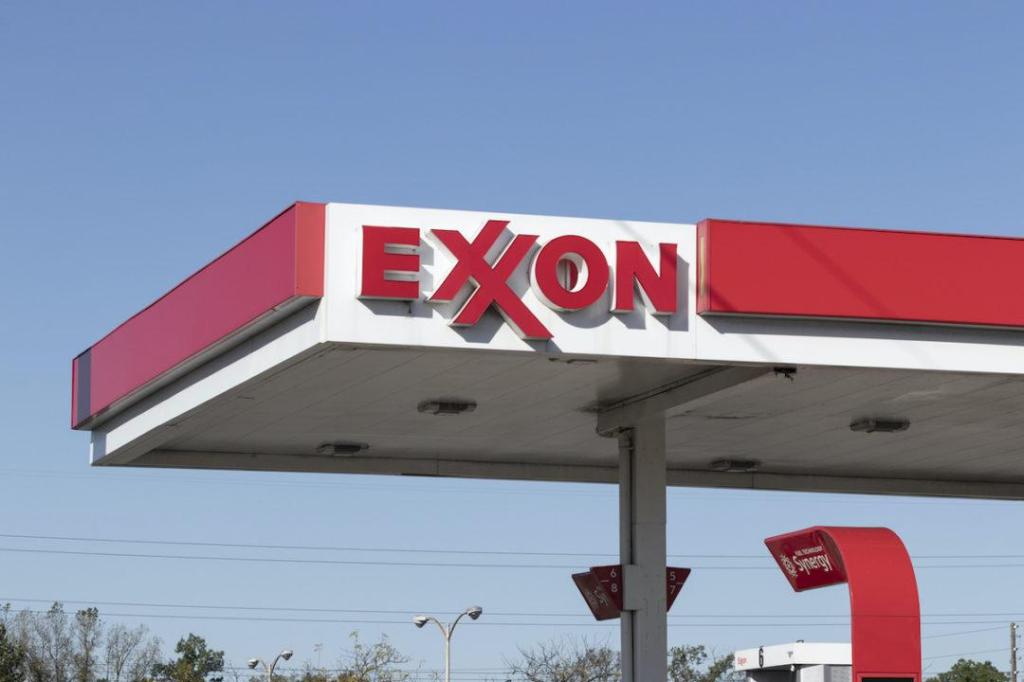

Exxon Mobil was sued by California and environmental groups for being a mass contributor to global plastic waste. California Attorney General, Rob Bonta, called out the oil company at the Climate Week in New York, citing their two-year investigation that tracked Exxon’s public deception of how their plastic was recycled.
Part of the business’s misleading message is that they use cutting-edge technology that converts recycled plastic into fuel by a system defined as pyrolysis. Pyrolysis is the process of heating organic materials at extreme temperatures without the use of oxygen.
The California lawsuit, spearheaded by the state’s attorney general was to challenge ExxonMobil’s multi-decade attempt to “convince us that plastic recycling could solve the plastic waste and pollution crisis when they clearly knew this wasn’t possible,” as stated by Bonta.
However, Lauren Knight, an ExxonMobil representative noted that the company has “processed more than 60 million pounds of plastic waste into raw materials, keeping it out of landfills.”
Experts who have chimed in on this conversation of environmentally conscious practices agree that the biggest challenge for a national consensus is economic profit. According to NPR, the cost to make new plastic is significantly cheaper than it is to recycle the material. In fact, the production of reusing the plastic would cost more than the product itself.
The state of California is known to be progressive in its policies from protecting the freedom of expression, banning plastic bags in grocery stores, to the recently signed legislation for abortion access.
The state of Virginia also has considerably progressive systems in place to protect the environment. Especially in the southeast region where the Hampton Roads Planning District Commission (HRPDC) is aware of the importance of consciously discarding and recycling waste.
The commission has a framework for how solid waste should be recycled through a waste management plan. Their efforts are required to be documented and reported to the Commonwealth of Virginia every year.
“Start Smart, Recycle Right” is a regional campaign that is associated with AskHRGreen.org and the HRPDC. This summer, the organization was awarded almost $2 million to encourage more outreach and education on recycling.
According to AskHRgreen.org, these are some guidelines to follow when recycling:
Approved
Drop-off: cardboard, paper, plastic bottles and jugs, glass bottles and jars, metal cans and cartons.
Curbside pick-up: cardboard, paper, plastic bottles and jugs, glass bottles and jugs, and metal cans.
All items should be emptied, cleaned, and dried.
Not Approved
Hazardous waste: household chemicals, rechargeable batteries, cooking oil, cleaning products, indoor pesticides, lawn and garden chemicals, CFL light bulbs, flammables (gas, propane, etc,) swimming pool chemicals, and motor oil.
Contaminated waste: plastic grocery bags, food waste, diapers, tanglers, styrofoam, yard waste, pet food bags, hangers, and clothing. To learn more information about community events and practices to keep the environment clean, visit www.askhrgreen.org. To stay up to date with environmental policies and civic engagement for the Hampton Roads, go to www.hrpdcva.gov.
 Spartan Echo